
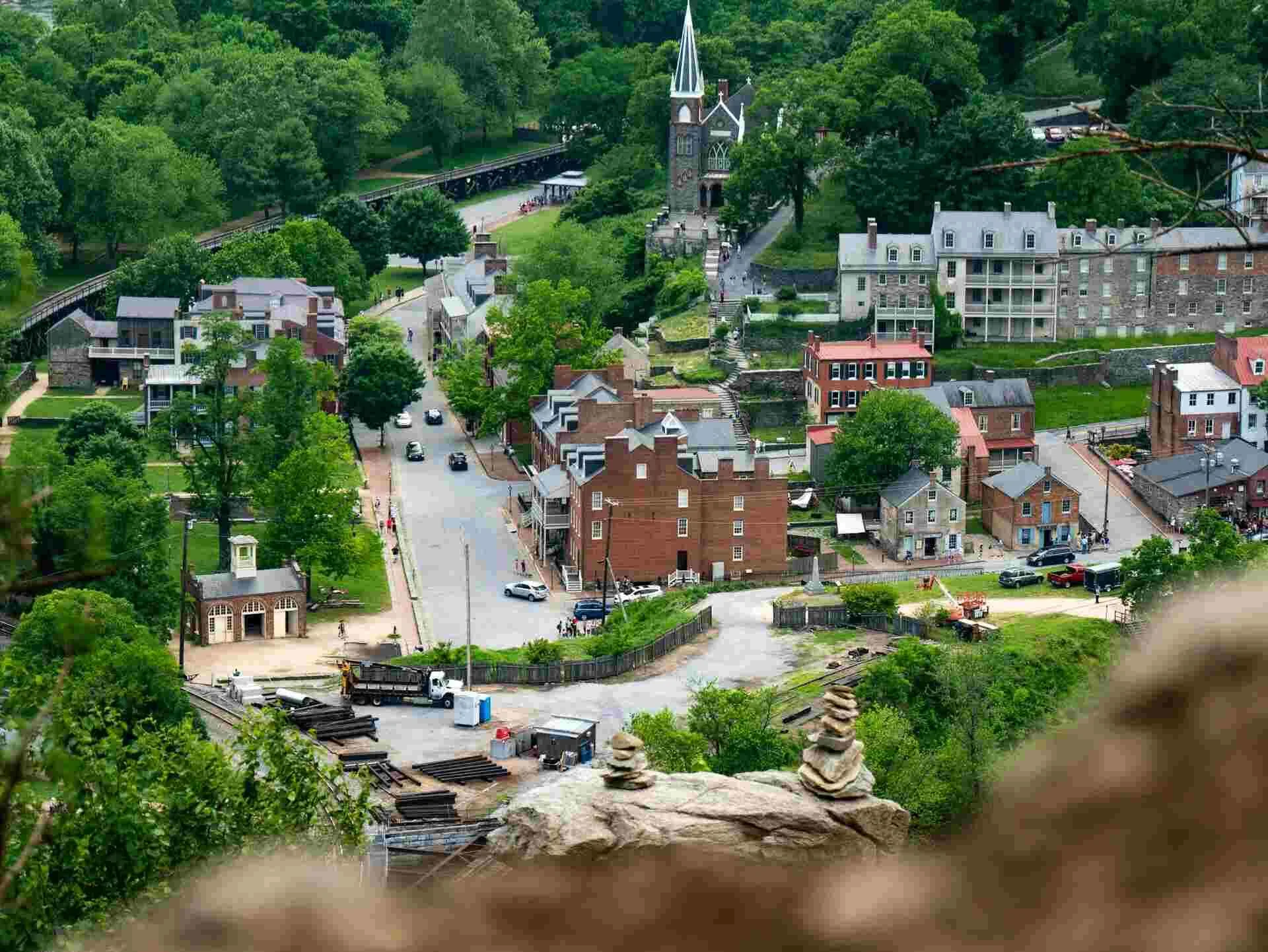
Virginia is listed in one of the Hidden Gems USA & America’s most historically layered states, more than 400 years of documented European settlement compressed into a geography that ranges from tidewater coastline to mountain ridgeline, from the colonial Tidewater to the Appalachian frontier.
Within that landscape, Virginia’s small towns carry history the way other places carry scenery: as the defining feature, visible everywhere you look.
What follows is a guide to 14 of the best small towns in Virginia, the destinations that consistently reward visitors who are willing to turn off I-81 or I-66 and explore what the highway obscures.
The Shenandoah Valley alone contains more intact historic architecture per mile than most states can claim in their entirety. The Blue Ridge Parkway corridor threads through small communities that have maintained their 19th-century character not through deliberate preservation so much as by being far enough from major metropolitan growth to escape the bulldozer.
Why Virginia’s Small Towns Deserve More Attention?
Virginia tourism tends to concentrate on three clusters: Northern Virginia’s colonial heritage sites (Williamsburg, Monticello, Mount Vernon), the Blue Ridge Parkway scenic drives, and the beaches of Virginia Beach.
Each of these is legitimate. But the small towns in between, particularly the Shenandoah Valley corridor from Front Royal to Abingdon, constitute one of the richest concentrations of historic small-town character in the eastern United States.
The Civil War was fought intensively across Virginia’s landscape, and the towns that survived emerged with their antebellum architecture largely intact. The Shenandoah Valley’s agricultural economy sustained communities through the late 19th and early 20th centuries without the industrial development that replaced historic buildings elsewhere.
The result is a landscape where towns founded before the American Revolution maintain their 18th-century street plans and a significant percentage of their original building stock.
Table of Contents
The 14 Best Small Towns in Virginia
1. Staunton, The Shenandoah Valley’s Cultural Capital
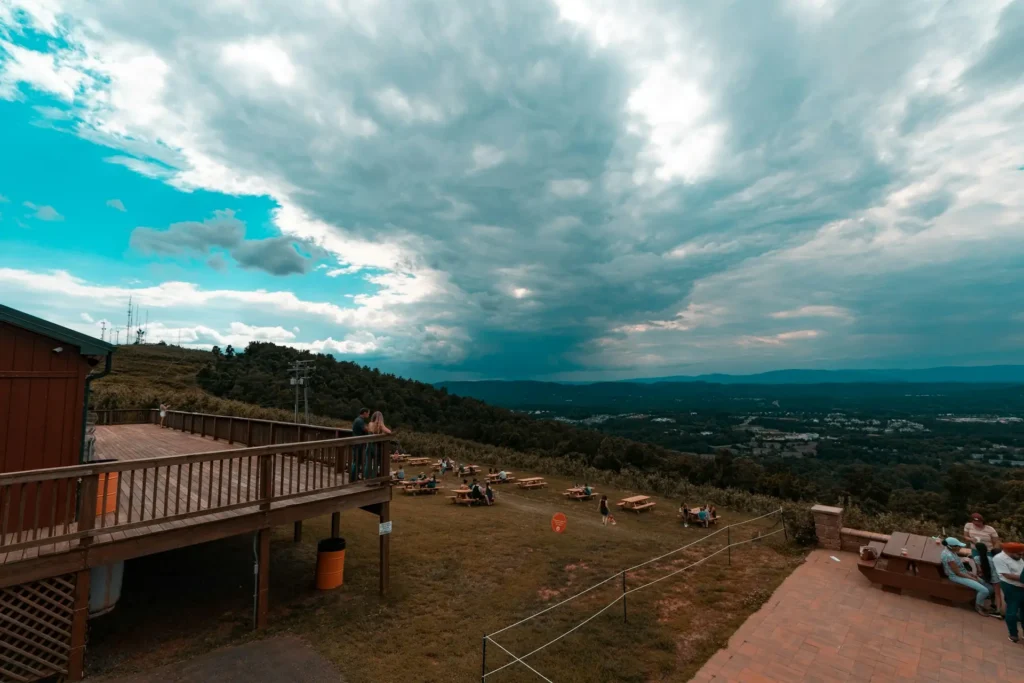
Staunton (pronounced “STAN-ton”, locals notice when you get it wrong) is the benchmark Virginia small town: a walkable, well-preserved, authentically inhabited Victorian downtown that functions as an actual community rather than a tourist attraction wearing a community’s clothing.
The commercial historic district, centered on Beverley Street and radiating outward through the Wharf area and Gospel Hill neighborhoods, was substantially built between 1870 and 1910, and its brick commercial blocks, Queen Anne storefronts, and late Victorian residential streetscapes have survived intact. The entire downtown is on the National Register.
What makes Staunton exceptional rather than merely historic is the American Shakespeare Center’s Blackfriars Playhouse. Opened in 2001, it is the world’s only re-creation of Shakespeare’s original indoor theatre, an intimate 300-seat space with the same dimensions, configuration, and production philosophy as the 1609 Blackfriars in London.
The ASC performs year-round with a rotating repertory that typically includes four to six productions in simultaneous rotation. Attending a Shakespeare performance in Blackfriars is one of the finest small-town cultural experiences in America.
What else to do: The Woodrow Wilson Presidential Library (Wilson was born in Staunton in 1856) is a compact, well-done presidential museum. The Museum of the Shenandoah Valley is an unexpectedly strong regional arts museum with the Glen Burnie House and gardens.
The Brew Ridge Trail connects Staunton with a network of Shenandoah Valley craft breweries. The downtown restaurant scene, anchored by Mill Street Grill, Zynodoa, and a growing collection of independent cafes, is excellent.
When to go: Year-round, but April–May (spring) and September–October (harvest season, fall color) are peak. The American Shakespeare Center’s season runs continuously.
Staunton deserves more than a quick stop. If you’re planning to spend a day or a weekend here, explore our complete guide to Things to Do in Staunton VA for historic attractions, local restaurants, museums, and seasonal events.
2. Lexington, Two Generals, Two Universities, and Remarkable Integrity
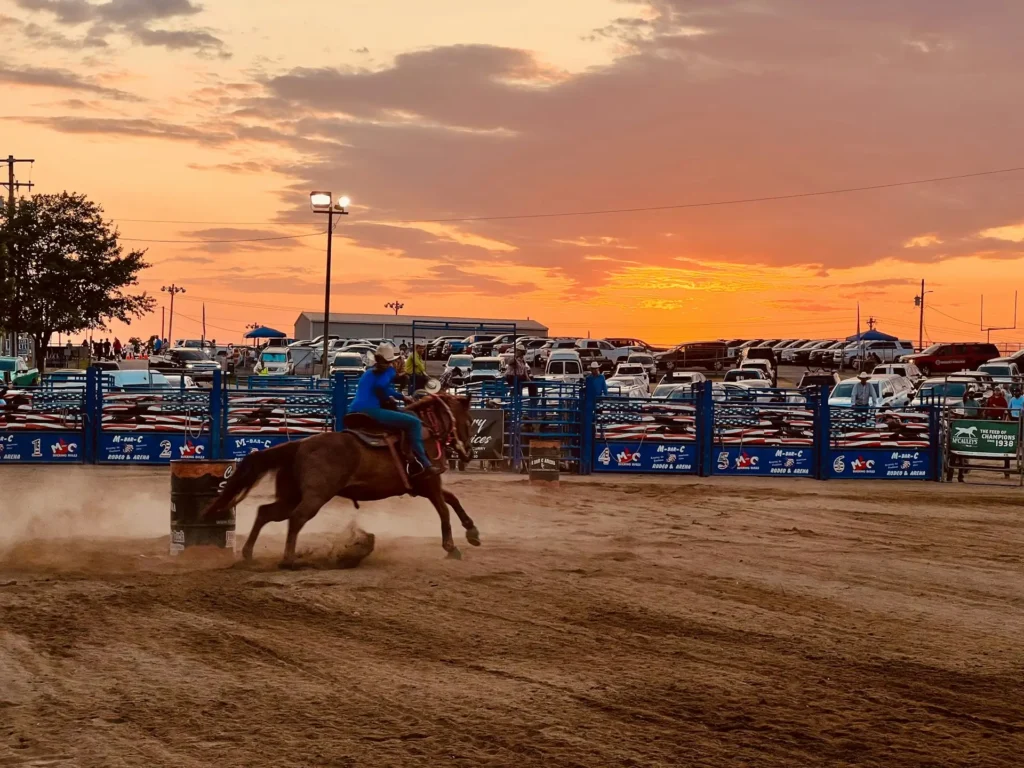
Lexington is the most historically concentrated small town in Virginia. In a single afternoon you can visit the homes and graves of both Stonewall Jackson and Robert E. Lee, tour the Virginia Military Institute campus and museum, see the Lee Chapel at Washington and Lee University, and walk a downtown that looks substantially as it did before the Civil War.
The historical density is genuinely extraordinary. Jackson’s home (1858) is operated as a house museum with a strong interpretive program. The VMI Museum has one of the best Civil War artifact collections in the South.
The Lee Chapel, where Lee is buried in a private crypt with the Lee family, contains the original recumbent marble statue of Lee by Edward Valentine, one of the finest 19th-century American sculptures, in a setting of unusual solemnity.
Beyond the Civil War history: the downtown commercial district has independent bookstores, galleries, and good restaurants concentrated on Washington Street and Main Street.
The Natural Bridge State Park (formerly privately operated) is 15 miles south of Lexington and is genuinely worth the detour, a 215-foot natural limestone arch that Thomas Jefferson once owned.
When to go: Spring and fall are ideal. VMI homecoming (October) and graduation weekends are busy, plan accommodation accordingly.
3. Luray, Caverns and Shenandoah Valley Character
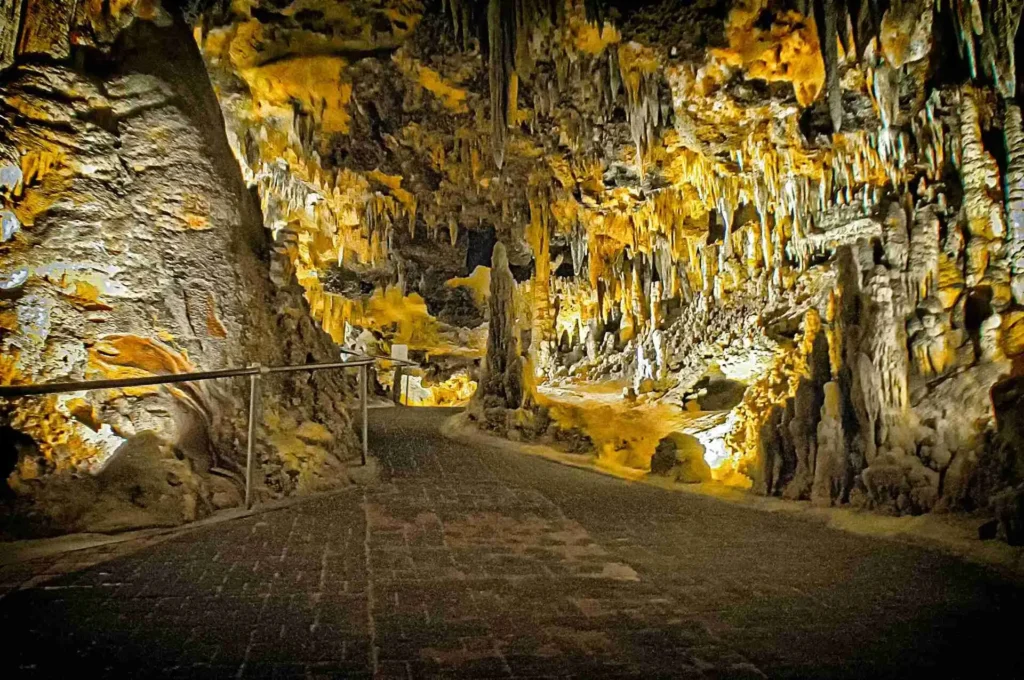
Luray sits in Page Valley between the Massanutten Mountain and the Blue Ridge, anchored by Luray Caverns, the largest caverns in the eastern United States.
The caverns themselves are exceptional: nearly a mile of mapped passages, with stalactite and stalagmite formations of genuine scale and beauty, and the one-of-a-kind Stalacpipe Organ, a musical instrument that uses rubber mallets to strike stalactites of different thicknesses, producing tones across several acres of cave.
The Caverns are the primary draw, but Luray has additional dimensions. The downtown historic district is a compact collection of late 19th-century commercial architecture with good independent restaurants.
The Shenandoah National Park entrance at Thornton Gap (US-211) is 10 miles east of town, making Luray an excellent base for Skyline Drive and Appalachian Trail access.
The Hawksbill Gap and Dark Hollow Falls trailheads in the national park above Luray are among the most accessible excellent hikes on the Virginia section of Skyline Drive.
4. Front Royal, Northern Shenandoah Gateway
Front Royal sits at the northern end of Shenandoah National Park where the Skyline Drive begins (or ends, depending on your direction), and it is the gateway to both the Park and the Shenandoah River’s North Fork float trips.
The town itself is underappreciated: a Victorian commercial downtown in good condition, the Warren Rifles Confederate Museum (one of the more honest presentations of Civil War material in the Valley), and access to the Appalachian Trail via the Dickey Ridge area of the national park.
The Shenandoah River at Front Royal has been a tubing and canoeing destination for Virginia families for generations. Several outfitters operate full-day floats and guided kayaking trips. Combined with a Skyline Drive drive and a Front Royal dinner, this is a full and excellent day.
5. Abingdon, Virginia’s Southwest Corner
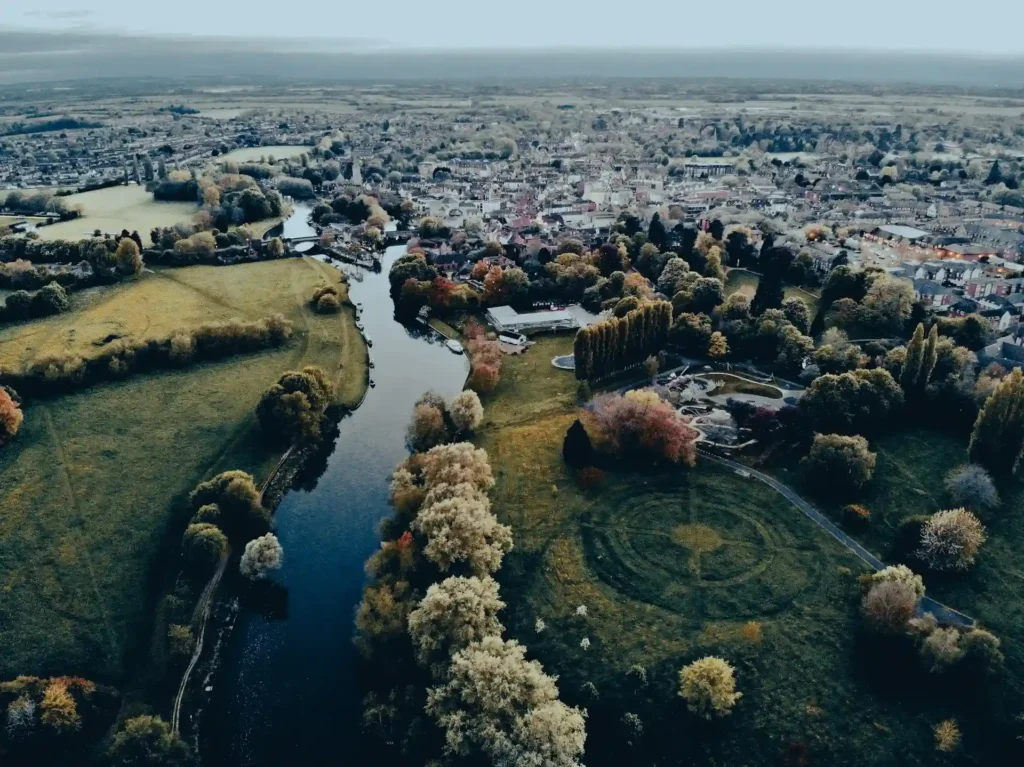
Abingdon, in far southwestern Virginia near the Tennessee border, is one of the most underrated small towns in the state. The downtown commercial historic district is substantial and well-preserved.
The Barter Theatre, Virginia’s official state theatre, has operated continuously since 1933, when the founder Rex Partington accepted produce and livestock as payment for admission during the Depression.
(The “barter” arrangement gave the theatre its name and its enduring identity.) The ASC in Staunton and the Barter in Abingdon together make Virginia’s small-town theatre scene the strongest in the American South.
The Virginia Creeper Trail begins at Whitetop Station in the mountains above Abingdon and descends 34 miles through Appalachian forest, farm valleys, and small communities to Damascus (16 miles from the top) and eventually Abingdon.
The lower section (Damascus to Abingdon) is suitable for casual cyclists and is one of the most pleasant rail trail rides in the Southeast. Shuttle services run from downtown Abingdon to the trailhead.
When to go: Fall (September–October) for the Virginia Creeper Trail foliage. The Washington County Fair in August is a genuine agricultural fair of the old-fashioned type.
6. Warm Springs, Virginia’s Most Serene Small Town

Warm Springs in Bath County is the kind of place that people discover by accident and return to with intention. The namesake warm springs, natural geothermal pools that maintain 98°F year-round, have been the site of bathing facilities since the 18th century.
The Warm Springs Pools (two original octagonal bathhouses dating to 1761 and 1836) are operated by the Omni Homestead Resort in nearby Hot Springs and are open to day visitors, the oldest resort amenity in continuous operation in the United States.
The surrounding Bath County landscape of forested ridgelines and farm valleys is exceptionally beautiful. The town itself is tiny, a courthouse, a few historic buildings, the Bacova Guild craft market, but the setting and the springs make it worth the drive from Staunton (35 miles north).
7. Monterey, Highland County and the Maple Festival

Monterey is the county seat of Highland County, Virginia, the least populated county east of the Mississippi River, sometimes called “Virginia’s Switzerland” for its high-elevation (2,600 feet) valley landscape. The population of the entire county is around 2,200 people.
Highland County’s sugar maple production is celebrated each March during the Highland Maple Festival, one of Virginia’s oldest and most beloved annual events.
Sugarhouses throughout the county are open for visitors to watch sap boiling, and the festival weekend (two weekends in mid-March) draws visitors from across the mid-Atlantic. Outside festival season, Monterey is simply a very beautiful, very quiet mountain town with a Victorian courthouse and a diner that serves the county.
8. Orange, Virginia Wine Country’s Quiet Town

Orange sits in the rolling piedmont foothills of central Virginia, in the middle of Virginia’s most established wine country. James Madison’s Montpelier (6 miles outside town) is the primary historical anchor, the plantation home of the fourth president, with a museum complex that is the most honestly presented plantation history in Virginia, including a permanent exhibition on the enslaved community that made the estate function.
The Orange downtown, Courthouse Square and the surrounding blocks of 19th-century commercial and residential architecture, is well-preserved and largely unvisited by the wine trail tourists who pass through the county.
The Inn at Willow Grove (a country house inn in nearby Rochelle) is one of the most beautiful small hotel properties in Virginia.
9. Culpeper, Civil War Crossroads Town
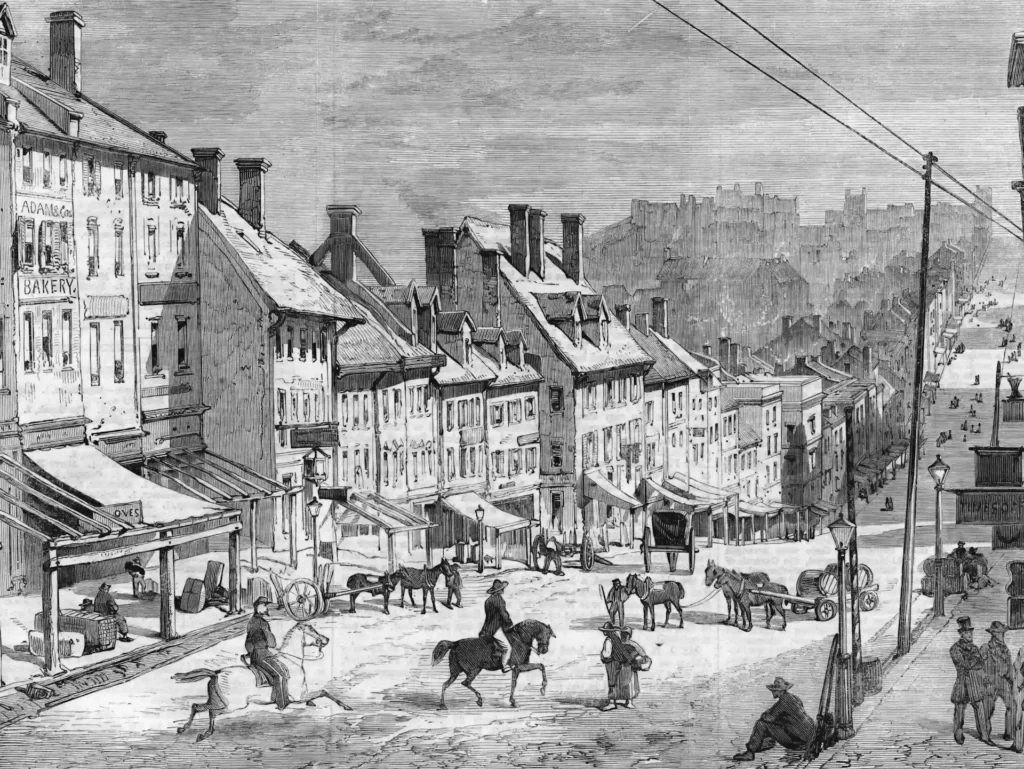
Culpeper sits at the geographic center of some of the most heavily contested Civil War territory in Virginia, the Rappahannock River crossings, the Orange Plank Road, and the northern approaches to the Wilderness.
The Museum of Culpeper History (formerly the Culpeper Civil War Museum) has an exceptional small-arms collection and presents the town’s Civil War experience with appropriate complexity.
The downtown commercial district has undergone thoughtful revitalization and now has good independent restaurants, an active arts community, and the restored State Theatre as an events venue.
Cedar Mountain Battlefield, site of an August 1862 battle between Stonewall Jackson and John Pope, is 8 miles south of town and is managed by the Civil War Trust in a reasonably good condition for battlefield interpretation.
10. Harrisonburg, Shenandoah Valley University Town
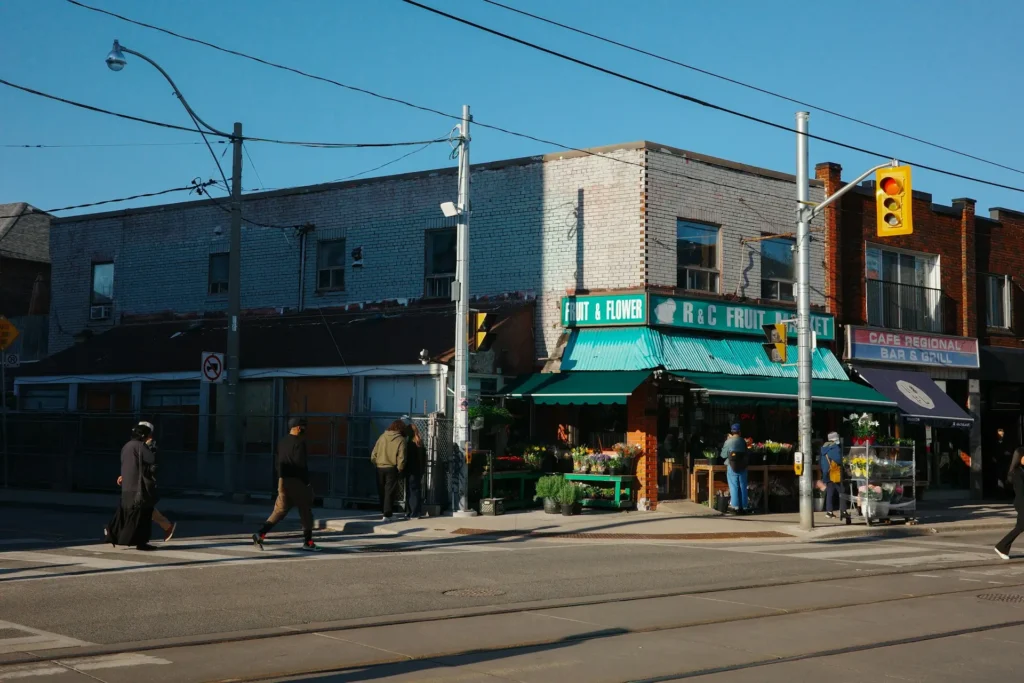
Harrisonburg (population around 55,000, technically a small city rather than a small town) anchors the central Shenandoah Valley and has developed a genuinely impressive food, arts, and culture scene driven by James Madison University’s student population.
The downtown Burg neighborhood has independent restaurants of unusual quality for a city this size, a strong craft brewery presence, and the Explore More Discovery Museum for families.
The Shenandoah Valley Farmers Market and the Eastern Mennonite University’s arts programming add dimensions that pure resort towns lack.
Why it’s on this list: Harrisonburg functions as the practical base for exploring the surrounding Shenandoah Valley small towns. Staying here gives you access to Staunton (25 miles south), Luray (30 miles east), Lexington (40 miles south), and the national park within a morning’s drive.
11. Berryville, The Quiet Eastern Doorstep
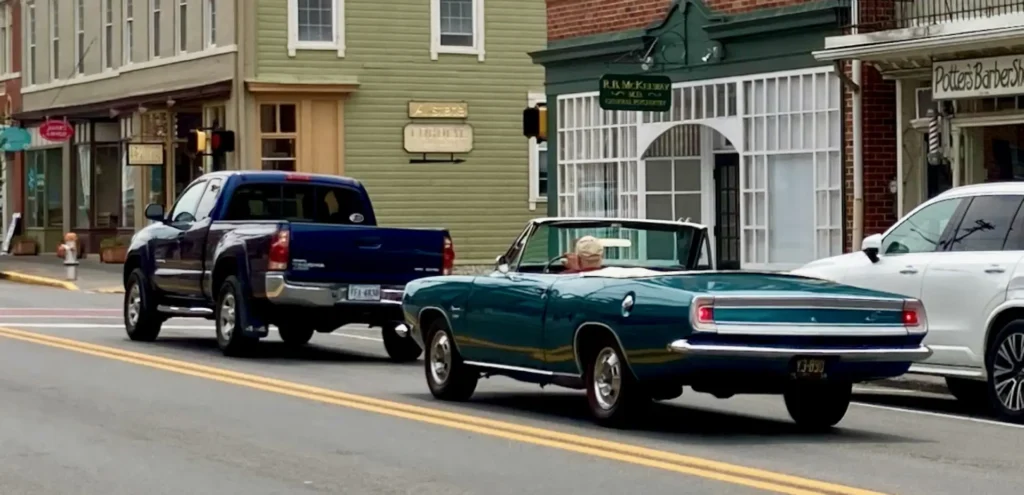
Berryville in Clarke County sits at the eastern edge of the Shenandoah Valley, where the Blue Ridge and the Valley floor meet the Virginia Piedmont.
It’s one of those courthouse towns, a genuine county seat with a real courthouse, an intact 19th-century residential district, good antiques dealers, and a café that serves decent coffee, that rewards the traveler who takes the small road instead of the highway.
The Clarke County Courthouse (1838) is among the finer antebellum courthouses in Virginia. The surrounding countryside, fox hunting territory of the old Loudoun Valley kind, is lined with stone walls and hedgerows that give the landscape a character more English than American.
12. Waynesboro, Blue Ridge Parkway’s Northern Gateway
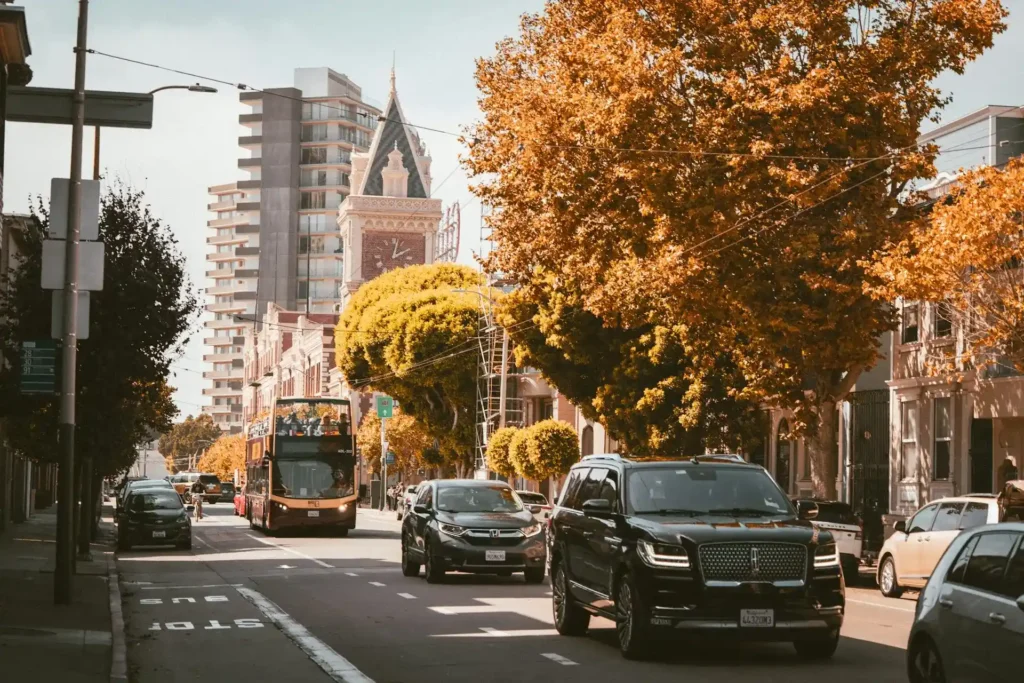
Waynesboro sits at the northern terminus of the Blue Ridge Parkway (milepost 0, where the Parkway begins its 469-mile run south to Cherokee, North Carolina) and at the southern end of Skyline Drive. It is the hinge between the two great scenic roads of the Virginia mountains.
The downtown has undergone consistent revitalization over the past decade. The P. Buckley Moss Museum (work of the regional American artist who has painted the Shenandoah Valley landscape for five decades) is free and surprisingly good.
Basic City Beer Company operates in a large restored industrial building downtown and is among the better production breweries in the Valley.
13. Edinburg, Shenandoah Valley’s Underrated Mill Town
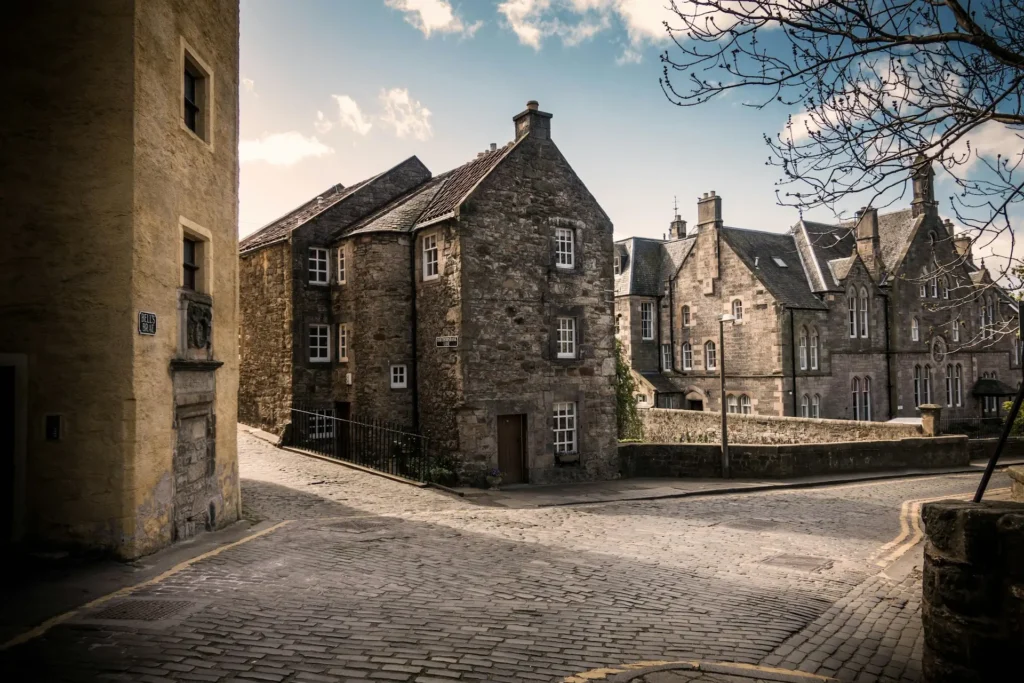
Edinburg, population 1,000, in Shenandoah County is the kind of town that Virginia’s small-town circuit consistently overlooks. The Edinburg Mill (1848) is an exceptionally well-preserved grist mill that has been adaptively reused as a restaurant and events venue, the original stone and timber structure intact, the millstone and wheel still in place. Eating dinner in the Edinburg Mill is a genuinely atmospheric experience.
The North Fork Shenandoah River runs through town and provides excellent trout fishing access through the surrounding Massanutten Mountains.
14. Damascus, Trail Town USA
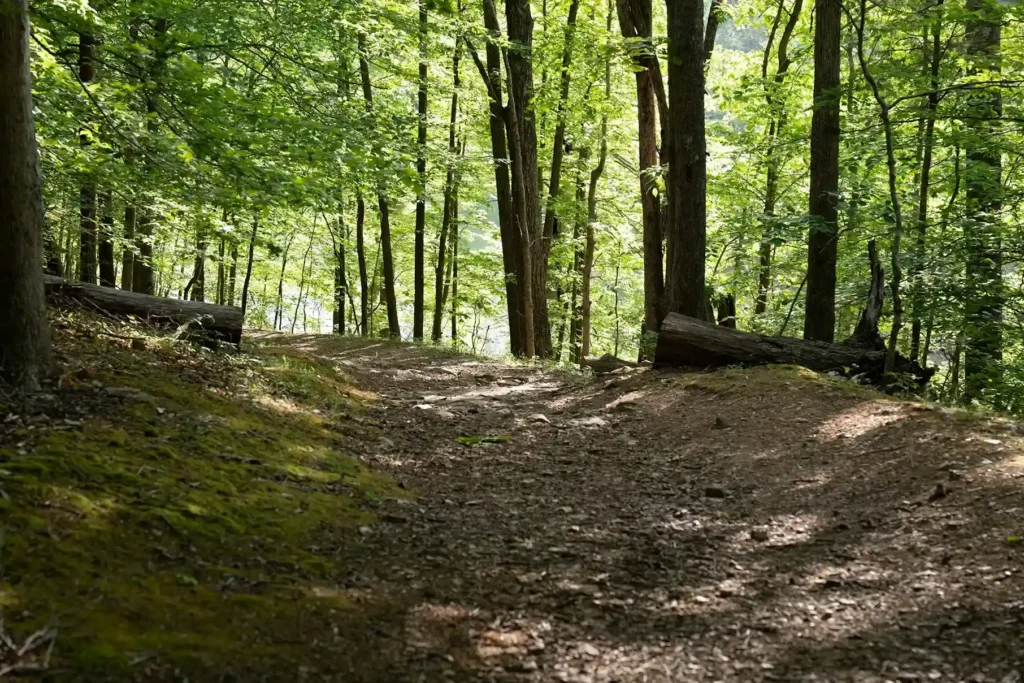
Damascus, in far southwestern Virginia near the Tennessee and North Carolina borders, is the intersection point of more long-distance trails than any other town in America: the Appalachian Trail, the Virginia Creeper Trail, the TransAmerica Bicycle Trail, the Iron Mountain Trail, and the Overmountain Victory Trail all pass through or near Damascus.
The result is a small town of around 800 people with a trail-culture economy, hostels for thru-hikers, outfitters for cyclists, shuttles to trailheads, that gives it a living energy disproportionate to its size.
The Damascus Trail Days Festival (third weekend of May) is one of the largest hiker gatherings in America, drawing 20,000+ people to a town of 800 with improbable success.
Building a Virginia Small Towns Road Trip
Shenandoah Valley North-South Loop (5–7 days from DC or Northern Virginia): Front Royal → Luray → Harrisonburg → Staunton (2 nights) → Lexington → Natural Bridge → Waynesboro → Skyline Drive north → Front Royal.
Southwest Virginia Cultural Loop (4–5 days from Roanoke): Roanoke → Lexington → Warm Springs → Monterey → Staunton → Abingdon → Damascus → return via I-81.
Central Virginia Wine Country Loop (3 days from Richmond): Richmond → Culpeper → Orange (Montpelier) → Charlottesville → Waynesboro → Staunton → return.
Practical Tips for Virginia Small Town Travel
Reservations matter especially at B&Bs: Virginia’s small-town accommodation leans heavily on bed and breakfasts and small inns. The best properties, the Inn at Willow Grove, the Frederick House in Staunton, the Inn at Montross, book weeks ahead in peak season.
The ASC in Staunton: Tickets for the American Shakespeare Center’s Blackfriars Playhouse sell out for popular productions. Book before you finalize travel dates, not after.
Leaf season timing: The Shenandoah Valley and Blue Ridge hit peak fall color typically in mid-to-late October. The exact timing varies by 2–3 weeks from year to year. The National Park Service’s fall foliage reports for Shenandoah National Park are the most reliable local source.
I-81 alternatives: I-81 through the Shenandoah Valley is heavily truck-trafficked and can be stressful. For small-town travel, US-11 (the Valley Pike, which I-81 replaced) runs parallel to the interstate through all the main Valley towns and is the more rewarding alternative.
Frequently Asked Questions
What is the most historic small town in Virginia?
Lexington and Staunton both make strong claims. Lexington for Civil War history and architecture concentration. Staunton for overall preserved urban fabric and cultural programming. Front Royal and Luray for Shenandoah Valley character. The “most historic” answer genuinely depends on which era of Virginia history you find most compelling.
What Virginia small towns are good for a weekend from Washington DC?
Front Royal (70 miles, 1.25 hours) and Luray (100 miles, 1.75 hours) are the closest excellent small towns from DC. Staunton (155 miles, 2.5 hours) justifies the longer drive for the Shakespeare Center alone. All three can be combined on a Friday–Sunday trip.
Are Virginia small towns good for fall foliage?
Yes, the Shenandoah Valley and Blue Ridge Parkway corridor is one of the finest fall foliage landscapes in the eastern United States. Peak color typically runs from early to late October. Staunton, Lexington, Front Royal, and Luray are all excellent foliage bases.
What is the best Virginia wine country small town?
Orange County (centered on the town of Orange) is the heart of Virginia’s most established wine regio, James Madison’s Montpelier, Barboursville Vineyards (founded 1976, Virginia’s oldest premium winery), and a cluster of newer producers are all accessible from Orange town. Charlottesville is technically a city, but the surrounding Albemarle County wine country functions at a small-town scale.
Plan Your Virginia Small Town Adventure
Virginia’s small towns are not nostalgic re-creations of the American past. They are places where the past simply hasn’t been demolished yet, where the 1865 courthouse still holds court, where the family that built the inn in 1840 still operates it under a different generation’s management, where the landscape that shaped the Civil War is still the landscape you’re driving through.
That continuity is what makes Virginia’s small towns different from small towns in states with less history. The depth here is real, and it rewards travelers who take it seriously.
Start in Staunton. Go to the Shakespeare Center. Walk the historic district. Drive south to Lexington. Then decide whether the route takes you deeper into the Valley or across the mountains to the Piedmont wine country. Either way, you’ve started somewhere excellent.
Looking for more charming destinations across the United States? Explore our guide to the Best Small Towns in Arizona for historic mining towns, scenic desert escapes, and unforgettable road trip ideas.