

Most people don’t expect Arizona to produce serious wine. The state’s reputation runs to cactus and heat and the kind of landscape that seems fundamentally incompatible with viticulture. Which makes the Sonoita AVA (American Viticultural Area), a 5,000-foot-elevation wine region in the rolling grasslands of Santa Cruz County , one of the more pleasant surprises in American wine.
The altitude changes everything. At 5,000 feet, Sonoita has the diurnal temperature swings that winemakers dream about: warm sunny days (essential for ripening) and cool nights (essential for preserving acid and developing complexity).
The result is wines, particularly Rhône-style reds and textured whites, that wine writers from outside Arizona consistently rate higher than their expectations.
This guide covers the best Elgin and Sonoita AZ wineries, how to structure a wine day, where to stay, and what the honest assessment of Arizona wine quality actually is.
Table of Contents
The Sonoita AVA, Why This Region Works
The Sonoita AVA was established in 1984, making it one of the oldest in Arizona and one of the oldest high-desert wine appellations in the United States. The defining geographic characteristics:
Elevation: 4,800–5,200 feet across the main production area. This is the crucial factor, it gives the region temperature ranges that no low-desert Arizona vineyard can replicate.
Soils: The Sonoita grasslands have sandy loam soils over limestone bedrock, good drainage with the mineral foundation that produces structured wines.
Rainfall: About 18 inches annually, most arriving during the July–September monsoon. Irrigation supplements during the growing season.
Varietals that thrive here: Rhône reds (Syrah, Grenache, Mourvèdre), Tempranillo, Sangiovese, Malvasia, Viognier, and Roussanne. The climate’s Mediterranean-like characteristics translate well to southern European grape varieties.
The Best Wineries in Sonoita and Elgin AZ
Callaghan Vineyards, Arizona’s Most Respected Producer
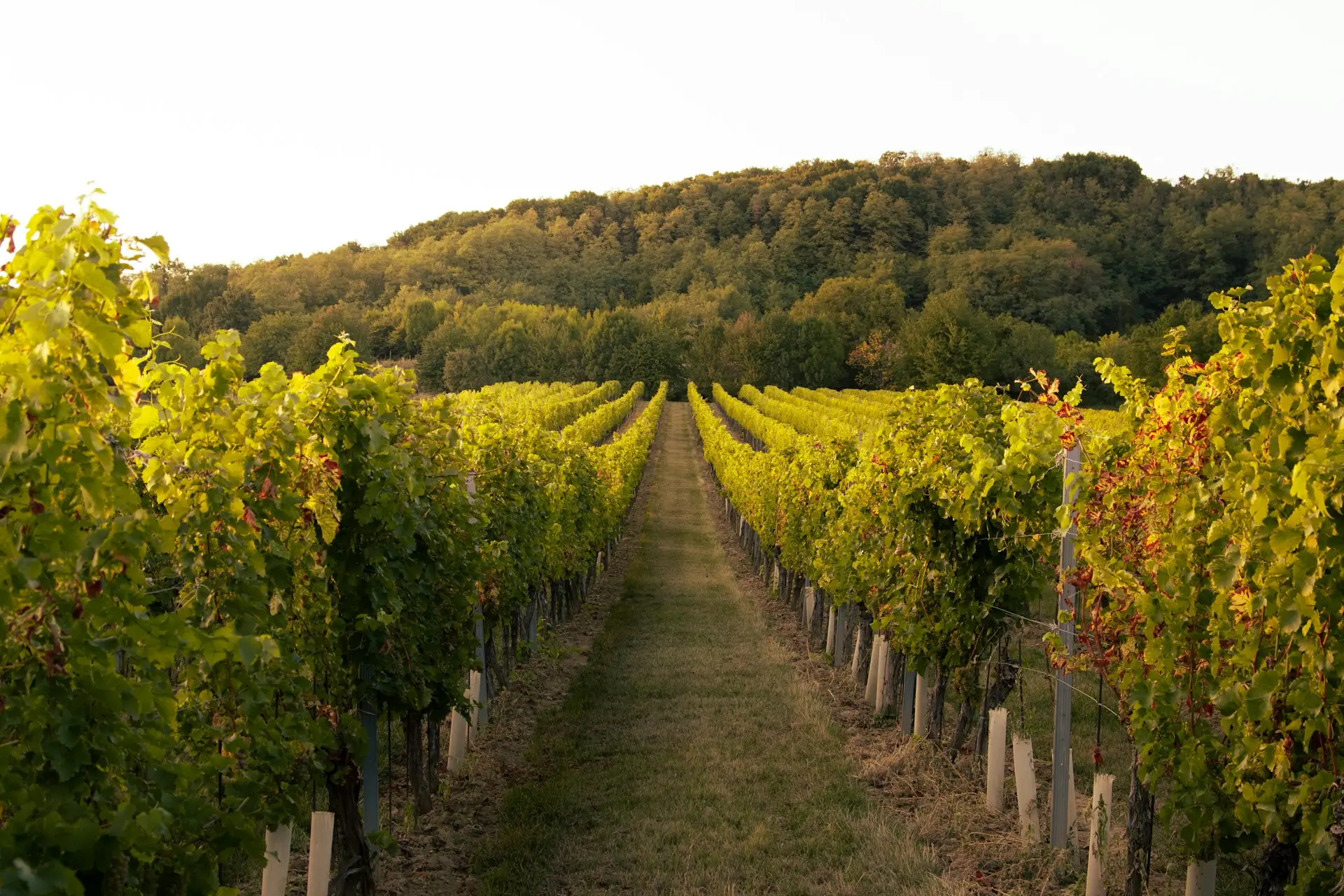
Callaghan Vineyards in Elgin is the standard-setter for Arizona wine, the producer that serious wine travelers go to first and that professional wine critics cite when making the case for Arizona as a legitimate wine region.
Founded in 1990 by Kent Callaghan, the winery has built a reputation on Bordeaux and Rhône blends that benefit from the high-altitude growing conditions and Kent’s 35+ years of accumulated site knowledge.
The flagship Buena Suerte (a Tempranillo-Petit Verdot blend) and the Lisa’s Selection (a Rhône-style white blend) are the wines that put Arizona wine on the national map.
The tasting room: Open Thursday–Sunday. Appointments recommended on weekends. The setting, a small adobe tasting room surrounded by working vineyard, is without affectation.
What to expect: Prices in the $25–55 range per bottle. Small production means many wines sell out before the next vintage is released. If you taste something you love, buy it; it may not be available later.
Address: 336 Elgin Road, Elgin, AZ 85611
Dos Cabezas WineWorks, Consistent Quality, Broad Range
Dos Cabezas WineWorks, also in Elgin, produces a wider range of wines than Callaghan across multiple tier levels, from the accessible Meskeoli and Tostado (orange and rosé-style wines respectively) to the serious single-vineyard El Norte and Meskeoli Blanco bottlings.
Winemaker Todd Bostock’s philosophy centers on working with the site rather than imposing a style, the wines reflect the Sonoita AVA’s characteristics rather than trying to approximate California or European benchmarks. The result is a distinctive Arizona voice in the bottle.
The tasting room: Open Thursday–Sunday. Comfortable porch seating with vineyard views. The most consistently welcoming tasting room experience in the AVA.
What to expect: Prices in the $18–45 range. The Tostado (made from dried Malvasia grapes in a slight off-dry style) is the most unique wine in the portfolio and makes an excellent Arizona souvenir.
Sonoita Vineyards, The Pioneer
Sonoita Vineyards, founded in 1983 by Dr. Gordon Dutt (a soil scientist at the University of Arizona who had been studying the region’s viticultural potential for years before planting), is the oldest continuously operating winery in Arizona. The historical significance alone makes it worth visiting.
The wines, primarily Bordeaux and Spanish varietals, represent the classic Sonoita style without the elevation that newer producers have found in the Elgin area. Consistent and well-made, if not at the complexity level of Callaghan.
The tasting room: Open daily. The most accessible of the major producers for visitors without advance planning.
Lightning Ridge Cellars, Family Operation, Strong Reds
Lightning Ridge Cellars is a family-operated winery in Elgin with a focus on Rhône varietals, Syrah, Grenache, Mourvèdre, that suits the high-desert climate well. The tasting room has a relaxed, ranch-property atmosphere that reflects the family operation behind the wines.
The Syrah is the standout in the portfolio, structured, spicy, and genuinely interesting in a way that reflects the altitude’s influence. Prices are among the most accessible in the AVA.
Flying Leap Vineyards
Flying Leap has multiple tasting rooms across southern Arizona, with the Elgin estate being the most relevant to a Sonoita wine day. The portfolio is broad and the tasting room experience is well-organized for visitors new to Arizona wine, a good introductory stop before moving to the more focused experiences at Callaghan or Dos Cabezas.
Wilhelm Family Vineyards
Wilhelm Family Vineyards is one of the newer operations in the AVA, producing small quantities of Tempranillo and Grenache from estate-grown fruit.
Worth visiting if you’re doing a comprehensive Sonoita wine day, the small-production, family-scale experience is a different register from the more established producers.
How to Structure a Sonoita Wine Day
Full day from Tucson (most popular approach):
- Depart Tucson by 10 AM via I-10 East to AZ-83 South (the Sonoita Scenic Road, this drive through the oak grasslands is itself worth the detour)
- Arrive Sonoita by 11 AM for late breakfast at the Steak Out Restaurant or La Ciénega Diner before the tasting rooms open
- 11:30 AM: Sonoita Vineyards, the pioneer, accessible, no appointment needed
- 1:00 PM: Drive to Elgin (5 miles east on AZ-82). Lunch break with picnic supplies from the Sonoita Market
- 1:30 PM: Dos Cabezas WineWorks, the most welcoming experience, excellent range
- 3:00 PM: Callaghan Vineyards, the standard-setter. Allow extra time here; the wines reward deliberate tasting
- 4:30 PM: Optional: Lightning Ridge Cellars for one more stop before the 5 PM typical closing time
- Depart Elgin by 5 PM, return to Tucson by 6:30 PM or continue to Patagonia or Bisbee for overnight
Wine weekend base: Sonoita or Patagonia
Staying overnight in Sonoita or Patagonia (15 minutes apart) allows a more relaxed two-day wine circuit: Saturday for the Elgin producers, Sunday morning for the Sonoita area wineries before an easy return. The Sonoita Inn and the Duquesne House B&B in Patagonia are the most reliable accommodation options.
Before you leave Patagonia, don’t miss our Patagonia AZ birding and wine guide to discover why this charming town is one of Arizona’s top destinations for nature lovers and wine enthusiasts.
The Honest Assessment of Arizona Wine Quality
Arizona wine has improved dramatically over the past 20 years. The honest state of play in 2026:
What Arizona does well: High-altitude Rhône reds (Syrah especially), Tempranillo, Grenache, aromatic whites (Viognier, Malvasia, Roussanne). The best producers, Callaghan, Dos Cabezas, make wines that would perform respectably in blind tastings against mid-tier California and French producers.
Where Arizona still has room to grow: Consistency across the AVA is uneven. The gap between the best producers and the weakest is wider than in established wine regions. Not every tasting room in Sonoita produces wines at the Callaghan level, some are pleasant and worth experiencing for the setting, even if the wine doesn’t inspire.
The recommendation: Focus your serious tasting on Callaghan, Dos Cabezas, and Lightning Ridge. Visit the others for context and atmosphere. Approach the experience with the same curiosity you’d bring to a newly discovered international wine region rather than comparing directly to Napa or Burgundy.
When to Visit Sonoita Wine Country
Harvest season (September–October): The most atmospheric time to visit, grapes being picked, the winemaker energy of a working harvest, and the grasslands green from monsoon rains. Several producers host harvest events. Call ahead to check schedules.
Winter (November–March): The grasslands are golden and the weather is cool and clear. Most tasting rooms are open, some with reduced hours. The least-crowded period.
Spring (April–May): Wildflowers on the surrounding grasslands. Tasting rooms operating full hours. Good combination of weather and crowd levels.
Avoid: The August monsoon season for driving the rural roads between wineries, the AZ-82 and Elgin Road can have significant standing water after heavy storms.
After exploring the wineries of Sonoita, consider visiting the renowned Tubac galleries, where you’ll find local artists, handcrafted Southwestern art, and one of Arizona’s most vibrant creative communities.
Getting to Sonoita Wine Country
From Tucson: I-10 East to AZ-83 South (Exit 281), 45 miles, approximately 50 minutes to Sonoita junction. AZ-82 East from Sonoita leads to Elgin (5 miles) and Patagonia (12 miles beyond).
From Bisbee: AZ-92 West to AZ-82 West, approximately 50 miles, 55 minutes to Sonoita.
From Phoenix: I-10 East to AZ-83 South, approximately 130 miles, 2 hours.
Designated driver or rideshare: With multiple tasting rooms, a designated driver in your group is the practical choice. No rideshare services currently operate in rural Sonoita/Elgin, plan accordingly.
Frequently Asked Questions about Sonoita AZ wineries
Is Arizona wine country worth visiting?
Yes, particularly the Sonoita AVA. The landscape, the winery scale (intimate and personal rather than commercialized), and the wine quality at the best producers make a Sonoita wine day a genuinely worthwhile experience. Approach with appropriate expectations (this is an emerging region, not Napa) and you’ll be pleasantly surprised.
What is the best winery in Sonoita AZ?
Callaghan Vineyards is consistently regarded as Arizona’s finest producer and the most worthwhile visit for serious wine travelers. Dos Cabezas WineWorks is the most welcoming tasting room experience with the broadest range of interesting wines.
How many wineries are in Sonoita AZ?
The Sonoita AVA contains approximately 20 wineries and tasting rooms across the Sonoita and Elgin area. Not all are open daily, most operate Thursday through Sunday, with some requiring appointments on weekends.
Can you do Sonoita wine country as a day trip from Tucson?
Yes. Sonoita is 45 miles from Tucson, about 50 minutes. A comfortable day trip allows 3–4 tasting room visits, a meal in Sonoita, and a return by early evening. Some visitors extend to Patagonia (15 minutes further) for dinner or an overnight.
Start Your Arizona Wine Country Trip
The Sonoita AVA is the kind of wine region that rewards travelers who are genuinely curious rather than those who arrive with fixed expectations. The best producers here are making wines that reflect a specific place at a specific elevation in a way that California’s dominant regions increasingly struggle to do.
Start at Callaghan. Work outward from there. Buy the wines you love because they won’t be waiting for you at home.
→ Continue your southern Arizona exploration: | Best Small Towns in Arizona | Hidden Gems in Southern Arizona