
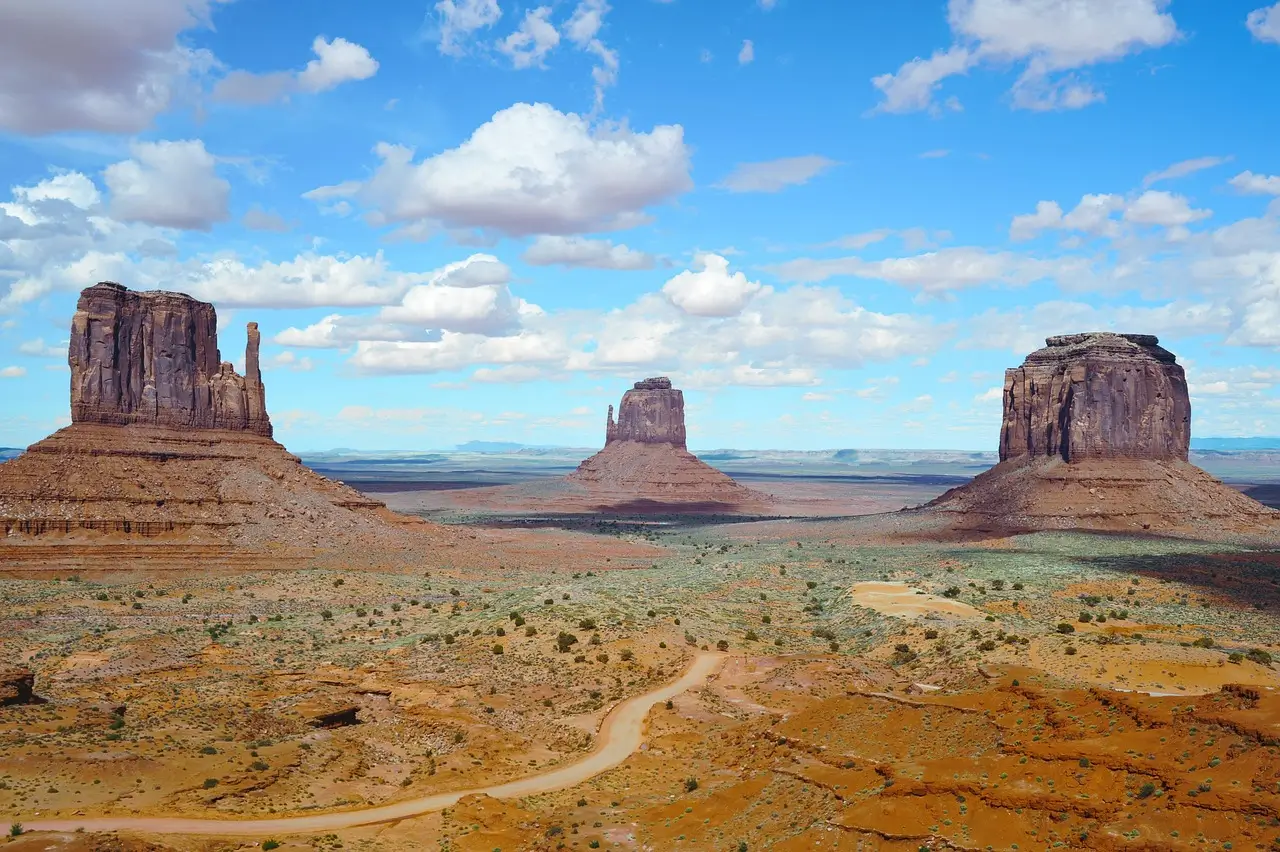
Southern Arizona gets flattened by its own famous landmarks. The Grand Canyon is five hours north. Sedona gets its own category. Tucson is the major city. Tombstone earns its famous name. Everything in between, the wine country, the sky island mountain ranges, the birding preserves, the border towns with extraordinary history, the art colonies older than Scottsdale’s gallery district, slides past most itineraries without a stop.
This guide covers 12 hidden gems southern Arizona had, that consistently reward the traveler who leaves the highway. Some are unknown outside their immediate region. Others are discovered but not yet crowded. All of them are worth the detour.
Table of Contents
12 Hidden Gems Southern Arizona Offers
1. Patagonia, Arizona’s Best-Kept Small Town
Patagonia AZ, population 900, in the Santa Cruz Valley southeast of Tucson is one of the most comprehensively undervisited quality destinations in southern Arizona.
A nature preserve of national significance (the Patagonia-Sonoita Creek Preserve, maintained by The Nature Conservancy, records 275+ bird species and supports one of the finest riparian cottonwood corridors in the Southwest), combined with wine tasting rooms, Patagonia Lake State Park, and a walkable Main Street of coffee shops and local businesses, Patagonia has everything a small-town destination needs and almost no national profile.
The birding at the Preserve is exceptional from March through May (spring migration) and September through November (fall migration). The reputation among serious birders is very high, rare species show up here with unusual regularity. Non-birders appreciate the creek-side trails and the shade of the cottonwood canopy.
Don’t miss: The Stage Stop Hotel on the main street hosts weekend performances and has the most community character of any building in town. The Velvet Elvis Pizza Company for dinner.
2. Sonoita Wine Country
The Sonoita AVA (American Viticultural Area) at 5,000 feet in the rolling grasslands of Santa Cruz County is Arizona’s most established wine-producing region, and one of the country’s most genuinely surprising ones.
The altitude and diurnal temperature swings produce wines, particularly Syrah and Grenache-based reds and Viognier whites, that serious wine travelers consistently rate higher than they expect.
About 20 wineries cluster within a 15-mile radius of the Sonoita–Elgin corridor. Most operate small tasting rooms where the winemakers frequently pour the wines themselves. Callaghan Vineyards (producing since 1990, regarded as Arizona’s finest), Dos Cabezas WineWorks, and Lightning Ridge Cellars are the most consistent standouts.
Building a wine day: Arrive in Sonoita around 11 AM. Visit three or four tasting rooms on a loose loop. Have lunch at the Steak Out Restaurant in Sonoita (or pack a picnic from Tucson).
Continue to Patagonia for a late afternoon walk at the nature preserve. Return to Tucson or continue to Bisbee for an overnight.
3. Tubac, Arizona’s Oldest European Settlement
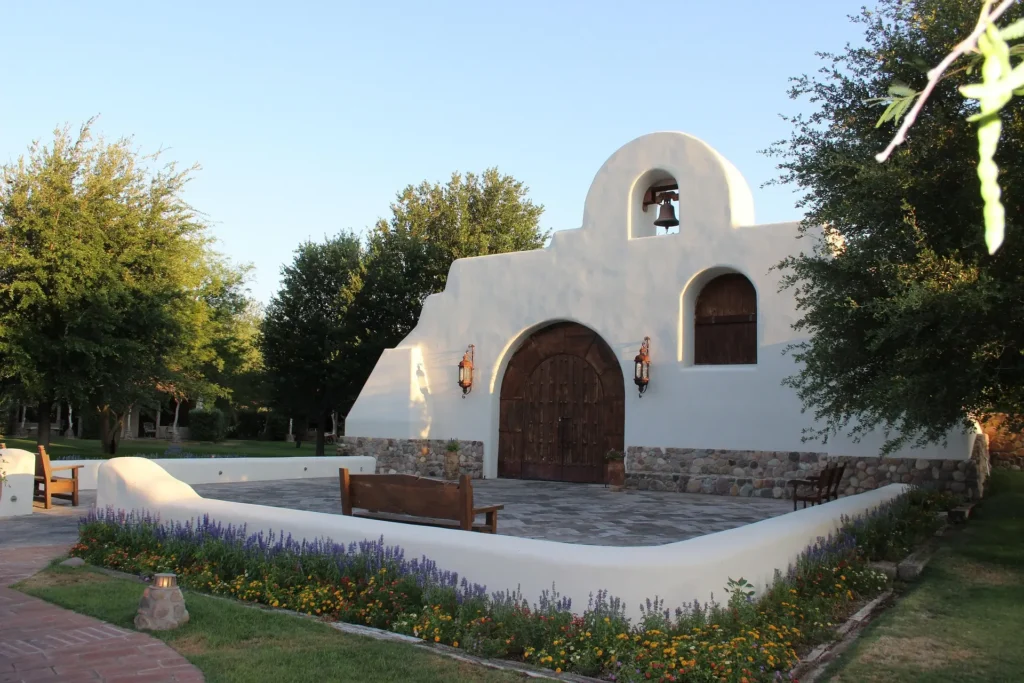
Founded in 1752 as a Spanish colonial presidio, Arizona’s first European settlement, predating Tucson by more than 20 years, Tubac today is a major arts colony of more than 100 galleries, studios, and artisan shops in a compact historic village 45 miles south of Tucson.
The quality of work at Tubac is genuinely high across a wide range of media: bronze sculpture, ceramics, weaving, photography, painting, and mixed-media installation.
The Tubac Presidio State Historic Park (free with Arizona State Parks pass, small fee otherwise) interprets the colonial and territorial history of the site with an underground excavation of the original 1752 presidio foundation visible through glass floors.
Beyond its colonial history, Tubac is famous for its thriving arts scene. Explore our Tubac AZ art colony guide to experience the galleries, studios, and artistic traditions that make the town unique.
The February Tubac Festival of the Arts is one of the finest outdoor art markets in the Southwest, 175+ juried artists, three days, free admission. If you’re anywhere in southern Arizona in February, this event is worth planning around.
4. Chiricahua National Monument
Chiricahua National Monument in the far southeastern corner of Arizona, 120 miles from Tucson, well off any interstate highway, is among the most spectacular and least-visited national monuments in the American Southwest.
The Chiricahua Mountains’ volcanic rhyolite has weathered over millions of years into formations of extraordinary variety: balanced rocks, natural bridges, columns, and spires across a landscape that explorer Neil Erickson called the “Wonderland of Rocks.”
The 8-mile Bonita Canyon Drive provides access to the main viewpoints and trailheads. The Echo Canyon Loop trail (3.5 miles, moderate) passes through the most impressive concentration of formations. Massai Point overlook is the single best viewpoint for the full panorama.
Chiricahua receives about 60,000 visitors annually, a tiny number for a monument of this quality. Comparison: Sedona’s Red Rock State Park receives over 1 million. The solitude at Chiricahua is one of its defining qualities.
Combining with Bisbee: Chiricahua is 90 miles east of Bisbee on US-191 and AZ-181. The combination makes a natural day trip from Bisbee, drive east in the morning, hike Chiricahua midday, return to Bisbee for dinner.
5. Ajo, Sonoran Desert’s Surprise Town
Ajo (pronounced “AH-ho”) is 130 miles southwest of Tucson in the Sonoran Desert and is one of the genuinely least-known quality destinations in Arizona. The former copper mining town has a Spanish Colonial Revival downtown, a genuine town plaza with an arched arcade and historic church, that looks more like Oaxaca than Arizona.
The International Sonoran Desert Alliance has transformed Ajo’s historic properties into affordable artist studios and gallery spaces since the early 2000s. The result is a small but genuine arts community in a setting of extraordinary beauty.
Organ Pipe Cactus National Monument, immediately adjacent to Ajo at the Mexican border, protects the only area in the United States where organ pipe cactus grows naturally.
The Ajo Mountain Drive loop (21 miles, unpaved but well-maintained) through stands of organ pipe, saguaro, and cholla is one of the finest desert drives in the Southwest. Peak season is November through March when temperatures are manageable.
6. Douglas and the Gadsden Hotel
Douglas on the US-Mexico border opposite Agua Prieta, Sonora, is one of the most overlooked small towns in Arizona largely because most travelers have no particular reason to be in far southeastern Arizona near the border.
Those who make the trip find the Gadsden Hotel: a 1907 Beaux-Arts grand hotel with a marble staircase, Tiffany stained glass, and a lobby that has hosted both Pancho Villa and Theodore Roosevelt.
The Gadsden is genuinely grand in a way that small-town hotels almost never are. The Sulphur Springs Valley surrounding Douglas is one of the most important winter raptor and sandhill crane viewing areas in North America, birds arrive in the hundreds of thousands from November through February.
7. Benson and Kartchner Caverns
Benson, on I-10 east of Tucson, functions primarily as a highway service stop, gas, food, motel, and most travelers experience nothing else of it. This is understandable but unfortunate, because Kartchner Caverns State Park 9 miles south of Benson is one of the finest cave experiences in the American Southwest.
Kartchner was discovered in 1974 and kept secret by its discoverers for 14 years to protect it from vandalism. When it opened as a state park in 1999, the cave system was in near-pristine condition: live cave formations (still actively growing), exceptional humidity preservation, and two separate tour routes through different sections of the cave.
The Rotunda/Throne Room tour (1.5 hours) is the standard experience. The Big Room tour (open October through April only, when bat maternity season is over) sees the cave’s most impressive formations.
Book both rooms as far in advance as possible, the cave strictly limits daily visitor numbers and weekend slots sell out weeks ahead.
8. Cochise Stronghold
Deep in the Dragoon Mountains east of Tombstone, Cochise Stronghold is the canyon redoubt where Apache Chief Cochise and his band held out against U.S. Army campaigns through the 1860s and 1870s. Cochise is buried somewhere in the Stronghold, though the exact location was deliberately not recorded and remains unknown.
The site, managed as part of the Coronado National Memorial, has a small campground, a picnic area, and hiking trails into the canyon that give a physical sense of why the terrain was strategically effective.
The East Stronghold and West Stronghold are accessible from different approach roads. The drive through the Sulphur Springs Valley to reach the Stronghold passes through some of the finest open grassland in Arizona.
9. Bisbee, Southern Arizona’s Most Complete Small Town
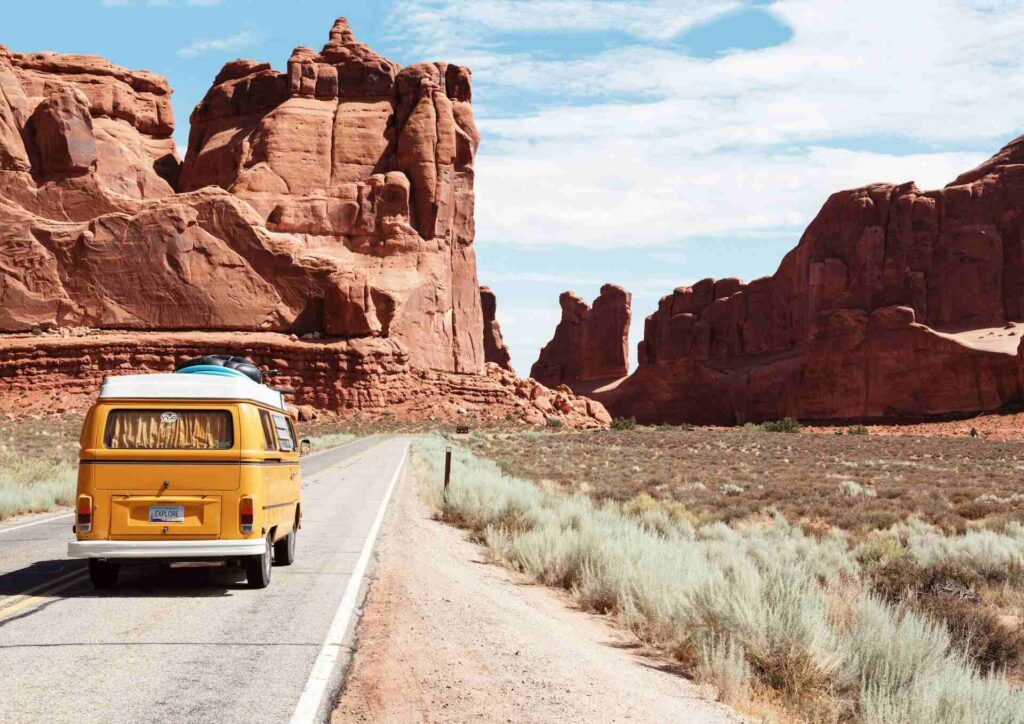
Bisbee earns its place on this hidden gems list despite receiving visitors, because it remains significantly undervisited relative to its quality. The former copper mining boomtown at 5,300 feet in the Mule Mountains has more historical depth, better restaurants, and a more complete arts community than any other destination in southern Arizona outside Tucson.
Dive into Bisbee Arizona history to uncover the stories behind its mining boom, labor struggles, and remarkable revival.
If you’re fascinated by forgotten events and true stories that shaped the United States, the Bisbee Deportation 1917 is a history lesson worth exploring. From the role of mining companies to the lasting impact on labor movements, this dramatic event offers a unique glimpse into Arizona’s rich heritage.
The Queen Mine Tour (underground experience guided by former miners), the ghost tour, Café Roka (fine dining), and the staircase streets distinguish Bisbee from every other stop on this list. It belongs at the center of any southern Arizona small-town itinerary.
→ Full guide: Best Things to Do in Bisbee AZ
10. Tombstone, More Interesting Than the Reputation
Tombstone’s gunfight-at-the-OK-Corral identity overshadows what is actually a fascinating piece of American history. Visitors looking for a complete guide to the Best Things to Do in Tombstone AZ will discover that the town offers far more than Wild West reenactments.
The Bird Cage Theatre (1881–1889), open without interruption during that period, never renovated, and still containing the original bullet holes and brothel cribs, is among the most emotionally affecting historic preservation sites in the American West.
The Crystal Palace Saloon in its original building, the city’s documented records of 1880s frontier life, and the cemetery at Boot Hill (where the victims of the OK Corral gunfight are buried) collectively make Tombstone more interesting than the daily gunfight reenactments suggest.
11. Fort Huachuca and Sierra Vista
Fort Huachuca, established 1877 as a base for Apache campaigns, is one of the oldest active U.S. Army installations in the country. The Fort Huachuca Museum, a two-building complex on the historic post, covers both the military history and the history of the Buffalo Soldiers (African-American Army regiments) who served extensively at the fort in the 1880s–1890s.
The museum is free and often overlooked by travelers who come to the area for Bisbee or the wine country.
Sierra Vista itself, the adjacent city, is primarily a military service community, but the Ramsey Canyon Preserve (a Nature Conservancy property in the Huachuca Mountains above town) is one of the premier hummingbird viewing sites in North America, with 14 species documented.
12. Sky Island Scenic Byway
The Sky Island Scenic Byway is not a town but a driving experience that connects many of southern Arizona‘s hidden gems through a single geographic concept: the sky islands, isolated mountain ranges rising dramatically from the desert floor to 9,000+ feet, supporting biotic communities found nowhere else at their latitude.
The Byway connects the Santa Catalina Mountains above Tucson, the Huachuca Mountains above Sierra Vista, the Chiricahua Mountains (Chiricahua National Monument), and the ranges above Bisbee in a loop of approximately 150 miles.
Driving the full Byway takes 2–3 days with stops; sections of it can be driven as day trips from Tucson or Bisbee.
Building Your Southern Arizona Hidden Gems Itinerary
3-day circuit from Tucson: Day 1: Tubac (morning galleries) → Patagonia (afternoon, birding and coffee) → Sonoita wine tasting → overnight Bisbee. Day 2: Bisbee (Queen Mine Tour, historic district, ghost tour). Day 3: Tombstone (morning) → Chiricahua National Monument (afternoon) → return to Tucson.
5-day deep dive: Day 1: Tucson → Kartchner Caverns → Tombstone (overnight). Day 2: Tombstone → Bisbee (2 nights, full Bisbee experience). Day 4: Bisbee → Chiricahua NM → Douglas (Gadsden Hotel overnight). Day 5: Douglas → Ajo → Organ Pipe Cactus → Tucson.
Frequently Asked Questions
What is the most underrated place in southern Arizona?
Patagonia for its combination of birding, wine, and small-town character. Chiricahua National Monument for sheer geological spectacle relative to visitor numbers. Ajo for the combination of Spanish colonial architecture and proximity to Organ Pipe Cactus National Monument.
What southern Arizona destinations are good day trips from Tucson?
Tubac (45 miles south), Patagonia (60 miles southeast), Tombstone (70 miles east via I-10 and AZ-80), and Bisbee (90 miles east) are the best southern Arizona day trips from Tucson. Chiricahua National Monument (120 miles) works as a long day trip for early starters.
What is the best small town in southern Arizona?
Bisbee is the most comprehensive: best food, best history interpretation, best arts community, best accommodation options. Patagonia is the most serene. Tubac is the best for art buying. Sonoita/Elgin is the best for wine.
Explore More
Southern Arizona’s hidden gems reward the traveler who trades the interstate for the two-lane highway. The map above is a starting point; the discoveries you make between stops are the point.
→ Keep exploring: Best Small Towns in Arizona | Best Things to Do in Bisbee AZ | Arizona Ghost Towns Road Trip
Last updated: June 2026 | Author: Emma Watson