

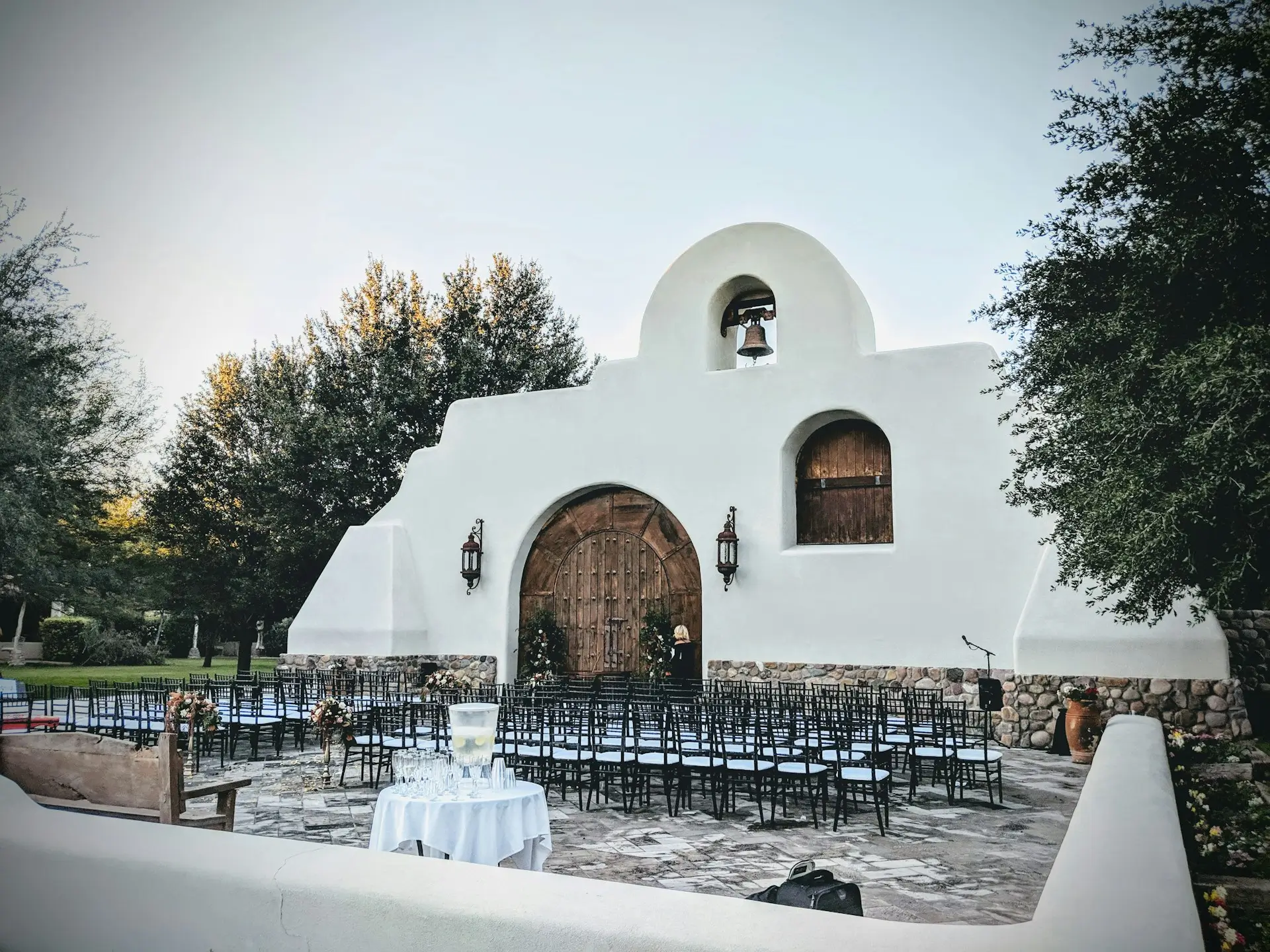
Looking for the Best Things to Do in Tubac AZ? Tubac has a legitimate claim to being the most historically significant small community in Arizona. Established in 1752 as a Spanish colonial presidio, a military garrison protecting the missions and settlers of the Pimería Alta, Tubac predates Tucson by more than 20 years and stands as Arizona’s first European settlement.
The ground beneath Tubac’s art galleries and craft studios was walked by Spanish soldiers, Jesuit missionaries, O’odham people, and eventually the legendary Juan Bautista de Anza, who launched his 1775 colonization expedition to San Francisco from this very location.
Today, Tubac operates primarily as one of the Southwest’s most established arts communities, with more than 100 galleries, studios, and artisan shops in a compact village, while the Tubac Presidio State Historic Park preserves and interprets the colonial history beneath the artists’ feet.
Tubac is just one of many remarkable destinations in the region, discover more unforgettable places in our guide to Hidden Gems in Southern Arizona.
The combination is genuinely unusual: a working arts village with more than 270 years of documented history visible through glass floors. It’s also one of the most authentic Hidden Gems USA for travelers seeking art, history, and small-town charm beyond the usual tourist destinations.
Table of Contents
Best Things to Do in Tubac AZ
1. Tubac Presidio State Historic Park
The Tubac Presidio State Historic Park is the historical anchor of any Tubac visit, a 10-acre park preserving the original 1752 Spanish colonial presidio site with one of the most interesting archaeological interpretation features in one of the Best Small Towns in Arizona: glass floors in the visitor center through which visitors look down at the actual 1752 presidio foundations excavated in place.
The museum covers the full sweep of Tubac’s history: the O’odham people who lived in the region before European contact, the Spanish colonial period (1752–1821), the Mexican period (1821–1853), and the American territorial era that followed the Gadsden Purchase.
The collection includes original Spanish colonial artifacts, maps, documents, and the kind of personal-scale material culture, domestic items, military equipment, religious objects, that makes historical periods tangible.
The schoolhouse building adjacent to the main museum is Arizona’s oldest surviving school building, constructed in 1885 and preserved on the original site.
Admission: Arizona State Parks pass accepted; small fee otherwise. Open Wednesday–Sunday. Allow 60–90 minutes.
2. Walk the Gallery Village
The gallery district of Tubac is the reason most visitors come, and it genuinely delivers. More than 100 studios, galleries, and artisan shops are concentrated in the compact historic village, a pedestrian-scaled environment of adobe buildings, courtyards, and garden paths that makes browsing feel more like exploring than shopping.
The range of media is exceptional: bronze sculpture, hand-thrown ceramics, blown glass, hand-woven textiles, oil and watercolor painting (predominantly Sonoran Desert and Southwest landscape subjects), jewelry, photography, woodworking, and mixed media.
The quality across the district is uneven, as in any arts community, but the ceiling is genuinely high and the prices, compared to Scottsdale’s gallery district, are significantly lower.
Practical approach: Pick up the gallery district map at the visitor information kiosk near the Presidio Park entrance. Spend 2–3 hours minimum for a thorough gallery walk. Allow time for conversations with artists, many studios are working spaces where the artist is present, and these conversations are frequently the most valuable part of a Tubac visit.
3. Tubac Center of the Arts
The Tubac Center of the Arts, a community arts center and gallery at 9 Plaza Road, hosts rotating exhibitions of regional artists, art classes, and the periodic arts events that anchor Tubac’s community calendar.
Unlike the commercial galleries, the Center is a non-profit institution, exhibitions here represent curatorial judgment rather than sales priorities, and the quality is consistently strong. Free admission.
4. Tubac Festival of the Arts
The Tubac Festival of the Arts, held annually in February (typically the first two full weeks of the month, Wednesday through Sunday), is one of the premier juried outdoor art markets in the American Southwest. More than 175 artists from across the country exhibit in the village streets and plazas, with free admission.
The Festival quality is genuinely high, the jury process is selective, and the range of media and styles represents the full breadth of contemporary American fine craft.
If you’re planning a February trip to southern Arizona and have any interest in the visual arts, timing your Tubac visit to coincide with the Festival is strongly recommended.
Practical: Tubac is very crowded during Festival weekends. Arrive by 9 AM for parking and gallery access before peak crowds. Accommodation in Tubac and Tubac-area properties books out months in advance for Festival weekends, plan accordingly.
5. Walk the Juan Bautista de Anza National Historic Trail
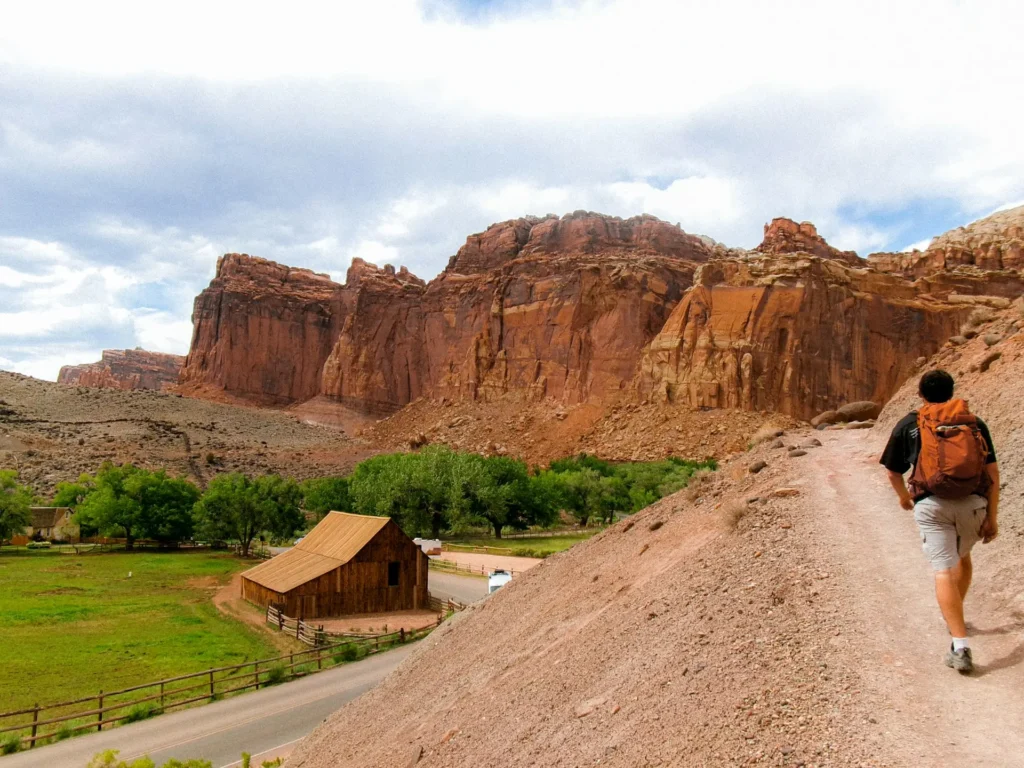
The Juan Bautista de Anza National Historic Trail traces the route of the 1775–76 expedition led by Captain Juan Bautista de Anza from Tubac through the Sonoran Desert and California to the site of what became San Francisco.
The 1,200-mile trail, one of the few National Historic Trails originating in Arizona, passes through Tubac and has a developed trailhead with interpretive signage at the Presidio Park.
The Tubac-to-Tumacacori section of the Anza Trail (approximately 4.5 miles one-way along the Santa Cruz River) is the most accessible and most historically evocative section available from the town.
The riparian corridor of the Santa Cruz River along this stretch is excellent for birding and provides a completely different experience from the gallery village, remote, quiet, and carrying the weight of a 250-year-old route of extraordinary historical significance.
Logistics: The Tumacacori end of the trail is accessible by car (10 minutes south on I-19). You can do the walk one-way by leaving a second vehicle at Tumacacori or arranging a shuttle.
6. Tumacacori National Historical Park
Tumacacori National Historical Park, 3 miles south of Tubac on I-19, preserves the ruins of three Spanish colonial missions, the primary San José de Tumacacori (construction begun 1800), the earlier church foundations at Calabazas and Guevavi, in various states of preservation.
The San José de Tumacacori church ruin is among the most moving Spanish colonial structures in the American West: a large-scale adobe and fired-brick church whose walls still stand to significant height, with the original dome over the sanctuary partially intact, and the surrounding mission compound grounds walkable in their entirety.
The museum interpreting the missions’ history and the O’odham community they served is compact and very well done.
Combined visit: Tubac + Tumacacori is a natural half-day combination. Spend the morning in the Tubac galleries and Presidio, drive 10 minutes south for the Tumacacori ruins in the afternoon.
7. Tumacacori Fiesta
The Tumacacori National Historical Park hosts an annual Fiesta (typically first weekend of December) celebrating the cultural heritage of the O’odham, Yaqui, and other Native communities of the Santa Cruz Valley, with traditional music, dance, food, and craft demonstrations.
One of the more authentic cultural events in southern Arizona and a strong reason to plan a December Tubac visit.
8. Santa Cruz River Birding
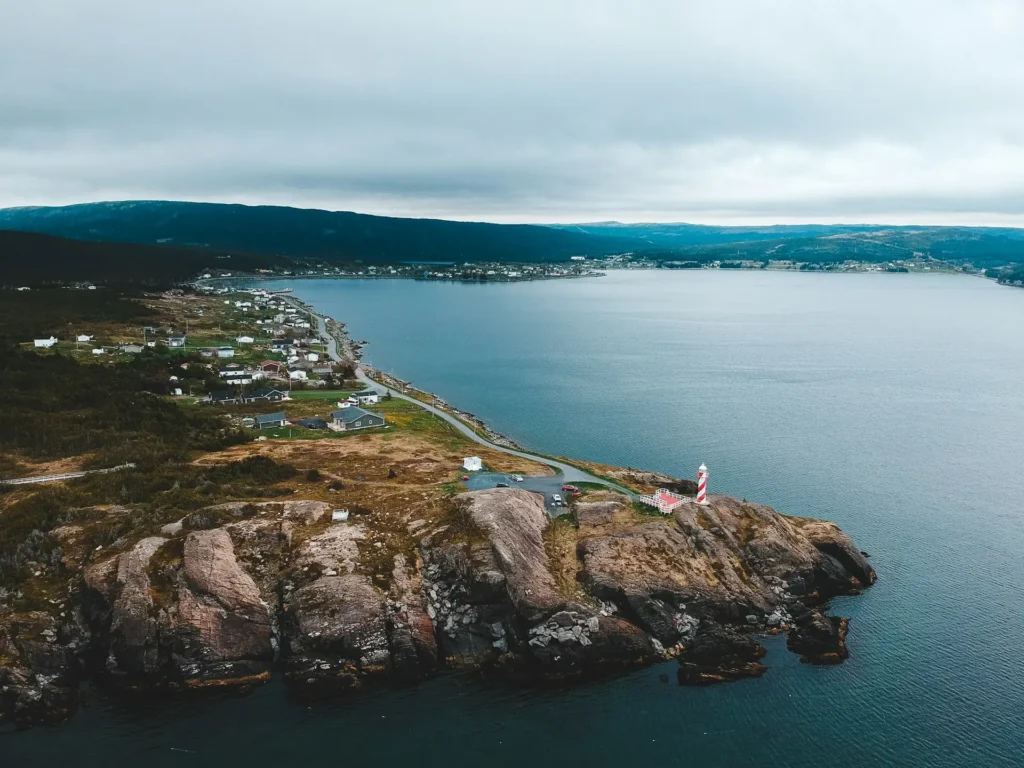
The Santa Cruz River corridor through Tubac and the surrounding area is excellent birding territory in the same tradition as the Patagonia-Sonoita Creek Preserve downstream.
The riparian vegetation along the river, cottonwood, willow, Arizona walnut, supports a resident bird community including Zone-tailed Hawk, Common Black Hawk, Vermilion Flycatcher, and Belted Kingfisher, with migratory species augmenting the list seasonally.
The Anza Trail provides the most accessible birding walk along the Santa Cruz here. Early mornings (before gallery hours begin) are the most productive.
9. Day Trip to Nogales and Sonora, Mexico
Tubac is 22 miles north of the Nogales international crossing on I-19. For visitors with appropriate documentation (passport or passport card), a crossing into Heroica Nogales, Sonora for lunch is a straightforward half-day addition to any Tubac visit.
The Sonoran-style Mexican cuisine in Nogales, Sonora, particularly the carne asada, menudo, and flour tortillas, represents one of the great regional food traditions of North America and is available at prices significantly below US equivalents.
Tubac Festival of the Arts vs Regular Season
| Festival Season (February) | Regular Season | |
|---|---|---|
| Gallery hours | Extended, all galleries open | Normal hours, some closed Mon–Tue |
| Crowds | Very high on weekends | Light to moderate |
| Parking | Challenging; arrive early | Easy |
| Accommodation | Book 2–3 months ahead | 1–2 weeks sufficient |
| Outdoor artists | 175+ additional vendors | Gallery village only |
| Overall experience | High energy, best selection | More intimate, easier to browse |
Both seasons have genuine merits. Festival is best for serious art buyers and those who enjoy a festive atmosphere. Regular season is better for unhurried browsing and conversations with artists in working studios.
Where to Stay in Tubac AZ
Tubac Golf Resort and Spa, The primary full-service accommodation in the area, with golf, spa, pool, and restaurant. A comfortable base for a longer southern Arizona stay. Book in advance for Festival weekends.
Tubac Country Inn, A small B&B property within walking distance of the gallery village. More intimate than the Golf Resort, better positioned for gallery-focused visits.
Amado Territory Ranch, A ranch property 5 miles north of Tubac on I-19 with more rustic character. Good for visitors who want a working ranch atmosphere with gallery village access.
Vacation Rentals: Several casita and home rentals are available in the Tubac area through VRBO and Airbnb.
Getting to Tubac AZ
Tubac sits on I-19, 45 miles south of Tucson:
- From Tucson: I-19 South, Exit 34 (Carmen/Tumacacori) or Exit 40 (Tubac), approximately 45 miles, 50 minutes
- From Nogales, AZ: I-19 North approximately 20 miles, 25 minutes
- From Phoenix: I-10 East to I-19 South, approximately 130 miles, 2 hours
Frequently Asked Questions
Is Tubac AZ worth visiting?
Yes, particularly for art travelers, history enthusiasts, and anyone building a southern Arizona small-towns itinerary. The gallery quality is genuine, the Presidio Park is excellent, and the Tumacacori ruins 3 miles south are among the finest Spanish colonial sites in the United States.
When is the Tubac Festival of the Arts 2026?
The Tubac Festival of the Arts is typically held during the first two weeks of February, Wednesday through Sunday. Exact 2026 dates will be announced at the Tubac Chamber of Commerce website. Plan accommodation months in advance for Festival weekends.
How far is Tubac from Tucson?
Tubac is approximately 45 miles south of Tucson via I-19, about 50 minutes. It’s one of the most accessible art destinations from Tucson and works well as a half-day or full-day trip.
What is Tubac AZ known for?
Tubac is known for three things: being Arizona’s oldest European settlement (founded as a Spanish presidio in 1752), its large arts colony with 100+ galleries and studios, and the annual Tubac Festival of the Arts (February), one of the premier juried outdoor art markets in the Southwest.
Plan Your Tubac Visit
Tubac works best at a slow pace: arrive mid-morning, walk the galleries without a schedule, have lunch in the village, visit the Presidio Park in the afternoon, and drive the 10 minutes to Tumacacori before closing time. That sequence, done without rushing, fills a genuinely satisfying day.
Add the Anza Trail walk for a morning outdoor dimension. If you’re heading east afterward, explore our guide to the Things to Do in Patagonia AZ for birdwatching, Patagonia Lake State Park, and Sonoita AZ Wine Country. Add a Patagonia afternoon for birding and wine if you’re staying overnight. Build it into a southern Arizona small-towns circuit that includes Bisbee and Sonoita for a trip that covers more authentic Arizona experiences per mile than almost any other itinerary in the state.
If you’re continuing your road trip, explore our guide to the Best Things to Do in Bisbee AZ for historic landmarks, colorful streets, museums, and one of Arizona’s most fascinating mining towns.